Koi
When Should You Stop Feeding Koi in Winter?
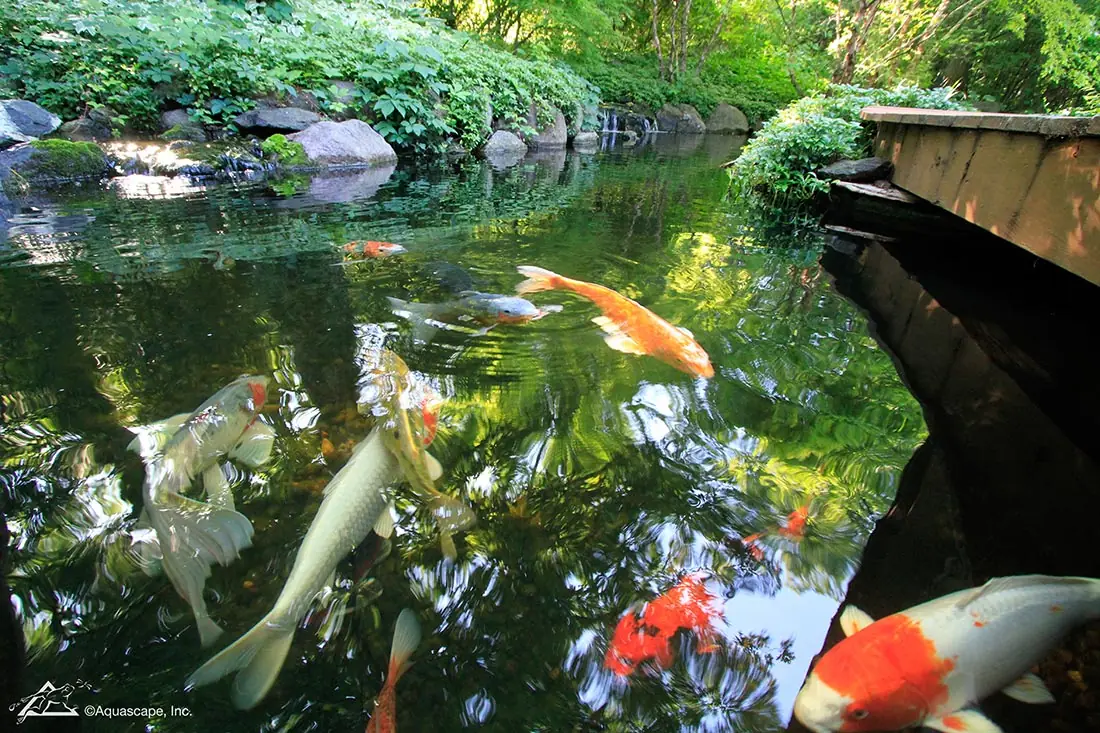
Your koi are dramatic. They’ll swarm the surface like tiny, colorful puppies every time you walk by, even when it’s cold enough to freeze your eyelashes. But winter feeding isn’t about who looks the hungriest, it’s about water temperature and koi biology. Let’s keep your fish healthy (and your water clear) with some easy rules and a few laughs.
How often should you feed koi in winter?
| Water temperature | How often to feed | What to feed |
|---|---|---|
| Above 60°F | Your normal schedule | Regular koi food |
| 55 to 60°F | Cut back to smaller meals | Switch toward wheat germ |
| 50 to 55°F | About every other day, or a few light meals a week | Wheat germ only, small portions |
| Below 50°F | Do not feed | Nothing until water holds above 50°F |
Go by a pond thermometer, not the air temperature or the date. In the Charlotte area, water often drops through these bands in November and can bounce back above 50°F during a warm spell in December or January. If it does, a small afternoon wheat-germ snack is fine, and skip the next day if the night turns cold.
The Golden Rule: Feed the Water, Not the Calendar
Koi are cold-blooded. As water cools, their metabolism slows. Below certain temperatures they can’t properly digest food, think Thanksgiving dinner right before a nap, but for three months.
- 60-55°F (15-13°C): Start reducing feedings. Switch to an easy-to-digest, wheat-germ or “cold-water” formula. Smaller portions, less often.
- 55-50°F (13-10°C): Feed sparingly, every other day or a few light feedings per week. Think “snack,” not “buffet.”
- Below 50°F (10°C): Stop feeding entirely. Yes, completely. Your koi aren’t offended. They literally can’t use the food.
Pro tip: Use a pond thermometer. Air temp lies; water temp tells the truth.
“But They’re Begging!” And Other Winter Myths
- Myth: “If they come up to the surface, they’re hungry.” Reality: They’re hopeful. Koi are professional optimists. Begging ≠ needing.
- Myth: “A little high-protein food will keep them strong.” Reality: Below ~50°F, that protein can rot in their gut, which is as bad as it sounds.
- Myth: “Feeding keeps them warm.” Reality: If only. Food is not a space heater.
What Happens If You Ignore the Rule?
- Digestive issues: Food sits undigested and can cause health problems.
- Water quality crashes: Extra food = extra waste = ammonia spikes just when your bio-filter is sluggish.
- Spring regrets: Sick fish, green water, and the “why did I do that?” stare from your koi.
How to Make the Transition (Without the Guilt)
- Buy a pond thermometer and check water temp daily in fall.
- Step down gradually: normal, then wheat-germ, then tiny portions, then stop at 50°F.
- Remove leftovers within a few minutes, no snack stash for raccoons.
- Keep oxygen up: run an aerator or de-icer to maintain a gas-exchange hole in ice. (Don’t hammer the ice; the shock isn’t spa-like.)
When Can You Start Feeding Again?
- Wait for consistent temps above 50°F (10°C) and fish showing active behavior (not just “we heard the lid open” behavior).
- Start back with wheat-germ, small portions. When temps hold 55-60°F+, transition to your regular diet.
Quick FAQ
Q: What if my water bounces between 49-52°F? A: When in doubt, don’t feed. It’s safer to skip than to overdo it.
Q: Afternoon feeding on warmer days? A: If water is solidly 50-55°F that day (confirmed by thermometer), a tiny wheat-germ snack in the afternoon (warmest water) is OK. If it drops again overnight, skip the next day.
Q: Can I use automatic feeders in late fall? A: Better not. Winter is about observation, not automation.
Q: Do koi lose weight over winter? A: A little, normal. They’re semi-dormant and burn less. Healthy fish bounce back in spring.
Winter Pond Care Bonus Tips (Because You’re Extra)
- Net the pond to keep leaves out (less muck, happier koi).
- Clean filters before deep winter, gently, so you keep beneficial bacteria.
- Check equipment (aerators, de-icers, pumps) before the first cold snap.
- Don’t chase them around with a net “for fun.” Their heart rate, your wet socks, no one wins.
Need a Hand Winterizing Your Pond?
If you’re in the greater Charlotte area (Mecklenburg, Gaston, York Counties, plus Lake Norman and Lake Wylie), Hoaglandscape can prep your pond for winter, thermometer to de-icer, food plans to cleanouts.
Call 980-522-6166 or request a visit. We’ll keep your koi comfy, your water clear, and your winter stress low.
Bottom line: Stop feeding at 50°F (10°C). Your koi don’t need snacks, they need stable, clean, well-oxygenated water. Save the feasts for spring.